
✓ High Quality Prints · ✓ Easy to Hang · ✓ Durable
-
Ancient Realm Map Wall Art & Canvas Prints
Regular price $141.23Regular price -
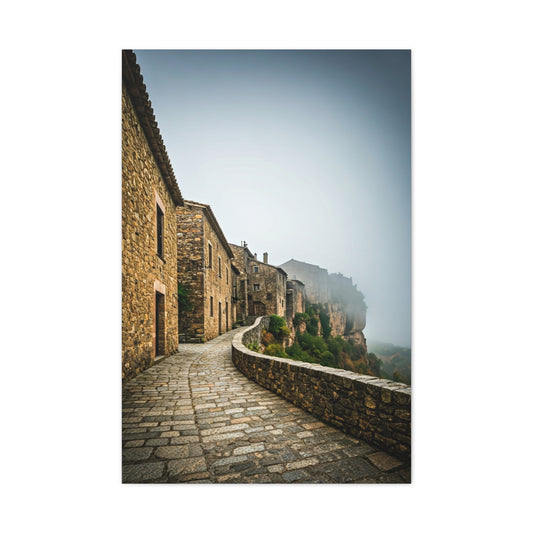
Stone Pathway Through Ancient Village Wall Art & Canvas Prints
Regular price $141.23Regular price



Vintage Wall Art: 13 Essentials for Creating a Timeless Vibe
Vintage wall art has an unparalleled ability to transform a living space into a sanctuary filled with character, history, and warmth. In an era where mass-produced décor saturates the market, the allure of unique and storied pieces stands out more than ever. Incorporating such artistry into interiors introduces a sense of authenticity and soul, offering an ambiance that modern trends often lack. It carries whispers of bygone eras and infuses rooms with an emotive presence that resonates deeply with anyone who enters. The visual narrative embedded in these works makes them more than just decorative objects; they become conversation starters, evoking curiosity and appreciation for the craftsmanship and stories they hold within their aged frames.
One of the reasons vintage wall art has surged in popularity is its ability to merge the past and present seamlessly. While contemporary homes often emphasize minimalism and sleek lines, the presence of aged textures and antique tones introduces contrast and depth. This interplay creates a layered aesthetic, where old and new elements coexist harmoniously. A carefully chosen canvas wall art piece with weathered charm can anchor a room, while surrounding it with streamlined furniture creates visual intrigue. Such juxtaposition prevents spaces from feeling sterile, instead offering warmth and individuality that modern wall art alone may not achieve. Each piece carries a unique patina, the subtle signs of time that lend it character and authenticity unmatched by mass-produced alternatives.
Finding the perfect vintage artwork is an intuitive process that requires patience and a discerning eye. It begins by studying the atmosphere of a room and determining how the new addition will interact with existing furnishings. A large wall décor piece above a sofa can become a striking focal point, setting the tone for the entire space. When layered thoughtfully with framed wall pictures or complementary lighting, it can elevate the ambiance to something extraordinary. Choosing artwork that aligns with the colors, textures, and mood already present ensures cohesion and prevents the piece from feeling like an afterthought. Rather than approaching the selection mechanically, it is better to allow instinct and emotional resonance to guide the decision, as the most compelling vintage art often stirs something intangible within its viewer.
Vintage wall art comes in myriad forms, each offering a different essence. From delicate botanical illustrations and timeworn travel posters to historic advertisements and portraits steeped in nostalgia, the diversity is immense. Many collectors are drawn to photo wall art from earlier decades, especially sepia-toned or black-and-white imagery that captures fleeting moments of human history. These photographs encapsulate an authenticity that modern reproductions rarely replicate. Others prefer painted works that showcase the artistry of previous centuries, sometimes incorporating cracks, fading pigments, or softened edges that hint at their long journey through time. Even abstract wall art created decades ago carries a distinctive energy, standing as testaments to the experimental spirit of their age. Choosing among these styles becomes an act of storytelling, selecting which echoes of history will harmonize with the narrative of your home.
The tactile qualities of vintage artwork also play a significant role in their appeal. Unlike the pristine surfaces of new prints, older pieces often exhibit textural depth from hand-applied pigments, layers of varnish, or the aged fibers of canvas. These elements enrich the sensory experience of viewing them, making each encounter slightly different depending on the light and perspective. Framed wall pictures with ornate gilded frames, for example, not only display the art within but also serve as decorative sculptures in their own right. Their intricate carvings or worn patinas can subtly influence the atmosphere of an entire room. When combined with contemporary décor, they create a fascinating dialogue between eras, where the delicate intricacy of the past meets the clean geometry of the present.
Introducing vintage wall art into bedrooms requires a slightly different approach than in living areas. Bedrooms often thrive on serenity, so the chosen pieces should contribute to a restful mood while still providing visual interest. Bedroom wall décor featuring soft-toned landscapes or faded floral prints can induce tranquility, while vintage abstract compositions can add a hint of creative energy without overwhelming the senses. Positioning these works near the headboard or opposite the bed allows them to frame the space with a sense of calm history. Smaller pieces arranged as a gallery cluster can create a cocooning effect, surrounding the room with personal meaning and warmth. Unlike mass-produced art that can feel impersonal, these works carry the imprint of human hands and histories, which resonates deeply in intimate spaces.
In living rooms, vintage wall art offers opportunities for dramatic expression and storytelling. A large canvas wall art piece centered on a prominent wall can anchor the entire layout, establishing a visual gravity that organizes the room. Surrounding it with complementary living room wall pictures, such as smaller framed sketches or archival prints, can enhance the narrative quality of the space. Layering textures—pairing a distressed oil painting with velvet cushions, weathered wood furniture, or metallic lighting fixtures—adds richness and dimension. This method of curation transforms the living room into more than a functional area; it becomes an immersive environment reflecting your personal aesthetic journey. The interplay of eras gives guests a sense of entering a space that is simultaneously current and timeless.
The process of sourcing vintage pieces adds to their charm. They are often discovered in antique shops, flea markets, estate sales, or tucked away in the corners of secondhand bookstores. This treasure-hunt experience infuses each acquisition with a sense of adventure and narrative. Unlike ordering mass-produced prints, finding an authentic piece carries the thrill of unearthing something rare and irreplaceable. Many enthusiasts even commission custom wall art based on archival imagery or family heirlooms, transforming personal memories into timeless décor. Such pieces not only decorate walls but also preserve heritage, allowing stories from previous generations to become a living part of contemporary homes. This deeply personal aspect is what sets vintage and custom works apart from generic options.
Caring for vintage artworks ensures their longevity and continued beauty. Because many are delicate, they must be protected from direct sunlight, which can fade pigments or warp wooden frames. Placing them in softly lit areas or using curtains to diffuse natural light can safeguard them for decades. Humidity control is also crucial, as excessive moisture can damage old paper, canvas, or fabric-based works. Periodic gentle cleaning with appropriate materials maintains their appearance without stripping away their aged charm. Framed wall pictures with glass protection often fare better over time, though they still require careful placement away from intense glare. Treating these pieces as living artifacts rather than mere decorations helps preserve their spirit and significance.
Vintage art integrates beautifully with other design elements, creating harmony even in contemporary settings. Pairing antique portraits with sleek modern furniture produces striking contrasts that celebrate both old and new aesthetics. Combining aged botanical prints with minimalist shelving can soften rigid architectural lines, while a collection of vintage travel posters can energize a neutral-toned room with bursts of color and history. Even large wall décor installations combining old frames and modern wall art can achieve a layered, curated effect that feels organic rather than contrived. This approach encourages fluidity and experimentation, allowing rooms to evolve as your collection grows and your tastes mature.
Ultimately, the appeal of vintage wall art lies in its power to transform blank walls into soulful canvases that tell stories, spark imagination, and enrich everyday life. Unlike uniform decorative trends that fade with seasons, these pieces endure, offering a constant reminder of artistry’s enduring value. Their textures, tones, and histories create environments that are not only visually captivating but emotionally resonant. Every crack, faded pigment, or worn edge carries the weight of time, giving each artwork a depth and individuality that cannot be replicated. Integrating them alongside abstract wall art, modern accents, or custom wall art ensures your space remains fluid and personal, resisting the sterility of purely trend-driven design. By weaving together the echoes of the past with the aesthetics of the present, you can craft interiors that feel alive, distinctive, and wholly your own.
Crafting Harmonious Interiors Through Vintage Wall Art
The art of curating interiors becomes far more profound when vintage wall art enters the equation. It introduces a rhythm of heritage that transcends mere ornamentation, merging emotion with aesthetics. The essence of these timeworn masterpieces lies in their capacity to evoke a sense of cultural lineage, as if each brushstroke or captured image carries echoes of forgotten eras. Their aged charm adds nuance to a room’s visual narrative, transforming sterile spaces into soulful sanctuaries. This interplay of history and artistry can be intensified when vintage pieces are paired with elements of contemporary design, producing an environment that feels neither trapped in the past nor overwhelmed by the present. The gentle juxtaposition of aged surfaces with polished finishes allows spaces to exude a layered sophistication that grows richer with time.
When integrating vintage pieces into interiors, it is essential to consider scale and balance. Oversized works can dominate a space with grandeur, while smaller pieces can enrich it with intimacy. A large wall décor piece placed strategically on a focal wall can anchor the entire composition of a room, setting a visual tone that ripples outward. Complementing such a dominant artwork with smaller framed wall pictures placed asymmetrically can create a sense of movement and dynamism, allowing the eye to wander with curiosity. This approach prevents the arrangement from appearing stagnant or overly structured, instead fostering an organic flow that echoes the unpredictability of history itself. By merging these contrasting scales, interiors develop an enchanting visual cadence that captivates without overwhelming.
Texture plays a critical role in deepening the sensory experience of vintage décor. Canvas wall art with weathered surfaces or visible brush textures invites tactile curiosity even from afar, hinting at the human hands that crafted it. Layering these textural elements against smooth plastered walls or glass furniture heightens their impact, making them stand out as the soul of the room. The tactile contrast becomes even more pronounced when pairing the rugged grain of antique frames with sleek metallic finishes or the soft luster of velvet upholstery. Such textural interplay not only enhances visual richness but also enriches the emotional resonance of the space, making it feel curated rather than merely decorated.
Incorporating vintage pieces into bedrooms demands a gentle, harmonious touch. Bedrooms thrive on serenity, and vintage bedroom wall décor can infuse them with tranquil nostalgia while still offering individuality. Framed botanical sketches, softly faded portraits, or abstract wall art from mid-century movements can quietly envelop the space in a cocoon of history. Placing such works above a headboard or within a reading nook helps them contribute to the room’s narrative without intruding on its restful nature. A gallery of smaller photo wall art pieces arranged loosely on one side can create an intimate corner rich with personal meaning, while maintaining the peaceful ambiance. The softness of aged paper, the delicate cracks on oil-painted surfaces, and the muted color palettes often found in vintage works all contribute to the calming aura that bedrooms require.
Living rooms, by contrast, offer more scope for dramatic expressions. Here, vintage pieces can be showcased with grandeur to capture the essence of storytelling. A commanding canvas wall art piece centered above a fireplace or sofa can dictate the rhythm of the entire room. Surrounding it with an eclectic mix of living room wall pictures, from minimalist sketches to ornate portraits, can amplify its narrative weight. The fusion of eras—old artworks alongside contemporary furniture—creates a visual dialogue that enlivens the space. This juxtaposition accentuates the uniqueness of each item while uniting them under a cohesive aesthetic. Incorporating other decorative elements like woven rugs, burnished metal fixtures, or textured wood furniture further intensifies this layered effect, giving the room a multidimensional character.
The emotional aspect of vintage art cannot be understated. These pieces carry with them an intangible presence, a quiet spirit that modern wall art often struggles to replicate. Even a seemingly modest photograph from decades past can evoke deep reflections about time and memory. Photo wall art featuring anonymous figures, distant landscapes, or forgotten urban scenes can imbue a room with a poetic melancholia, prompting introspection in moments of stillness. These works bridge the gap between the personal and the collective, connecting individual lives to broader historical currents. In doing so, they elevate interiors from visually pleasing spaces to environments imbued with meaning and soul.
Sourcing such treasures requires both patience and discernment. Authentic vintage pieces often emerge in unexpected places: tucked behind stacks in antiquarian bookshops, leaning against walls in flea markets, or quietly displayed in small-town galleries. This journey of discovery becomes part of their charm, infusing each acquisition with a sense of serendipity. Custom wall art inspired by vintage themes offers another avenue, allowing homeowners to collaborate with artists to recreate archival imagery or reinterpret old aesthetics in personalized ways. Such bespoke pieces merge the intimacy of personal stories with the timelessness of vintage artistry, producing décor that is both unique and deeply resonant. This fusion of heritage and individuality enriches spaces far more than generic store-bought items ever could.
Once acquired, caring for vintage artworks is paramount. Their delicate nature demands thoughtful preservation. Sunlight is a persistent adversary, capable of bleaching pigments and warping frames over time. Positioning artworks away from harsh rays and using gentle, indirect lighting can extend their lifespan. Framed wall pictures shielded by protective glass fare better in well-lit areas, while unprotected canvases are better suited to softly lit corners. Humidity levels should also be monitored, as fluctuations can cause cracking or mildew on aged surfaces. Periodic dusting with soft brushes or lint-free cloths keeps them vibrant without stripping their fragile patina. This meticulous stewardship ensures that these artworks remain not just decorations but heirlooms that endure through generations.
The synergy between vintage and contemporary aesthetics is what gives interiors their compelling tension. Pairing a delicate Victorian portrait with the clean lines of a modernist coffee table creates a striking counterpoint, while layering weathered oil paintings with minimalist shelving balances austerity with warmth. Even bold abstract wall art from earlier decades can harmonize beautifully with streamlined modern lighting or geometric rugs. This interplay prevents spaces from leaning too heavily toward one era, fostering a dynamic equilibrium that feels both curated and lived-in. It allows the home to embody the passage of time itself, with each element contributing its own temporal voice to the chorus.
For those seeking to make bolder statements, assembling a salon-style gallery wall can be transformative. Combining numerous small pieces—vintage etchings, faded landscapes, portrait miniatures, and photo wall art—within a tight arrangement creates an immersive tapestry of eras and styles. The varied frames, from ornate gilded moldings to weathered wood, contribute additional layers of visual interest. Such a wall becomes a focal narrative, drawing viewers in to decipher its many tales. Positioning this gallery in a hallway or dining space ensures it commands attention without overwhelming areas meant for rest. The result is a living archive that grows as new pieces are added, evolving with the household’s own unfolding story.
Bedrooms can also embrace subtler iterations of this gallery concept. Instead of dense clusters, a linear arrangement of carefully spaced works can create a serene rhythm. Bedroom wall décor featuring pastel-toned landscapes, antique silhouettes, or delicate floral studies can march softly along a wall, echoing the cadence of quiet footsteps. Pairing them with light textiles, gauzy curtains, or softly glowing lamps enhances their ethereal presence. The goal is not merely decoration but an orchestration of atmosphere, where every piece contributes to a sense of quiet retreat from the world. This nuanced approach turns the bedroom into a sanctuary where history whispers rather than shouts.
Vintage art’s adaptability also makes it ideal for transitional spaces. Entryways, stairwells, and alcoves often languish as overlooked zones, yet they can be revitalized with strategic placements. A solitary large wall décor piece in a foyer can immediately establish the tone for the rest of the home, offering guests an evocative introduction. Narrow stairwell walls can be adorned with vertically arranged framed wall pictures, leading the eye upward and transforming a utilitarian passage into a miniature gallery. Even small nooks can become captivating vignettes when graced with a single striking image, a vintage sconce, and a textured accent wall. These interventions turn forgotten spaces into visual interludes that enrich the journey through the home.
The emotional resonance of vintage pieces often intensifies over time as they become entwined with the rhythms of daily life. A once-anonymous portrait can gradually assume the role of a silent companion, while a weathered landscape can become a touchstone during moments of reflection. These evolving relationships infuse homes with a lived-in authenticity that purely aesthetic choices cannot achieve. Unlike trend-driven décor, which eventually loses its novelty, vintage art gains depth as its presence becomes part of the household’s ongoing narrative. Its imperfections—faded pigments, worn edges, slight warps—cease to be flaws and instead become cherished markers of endurance, reminders that beauty can persist even as time reshapes it.
Integrating vintage wall art with modern elements requires a willingness to experiment without overthinking. Mixing an abstract wall art piece from the mid-20th century with contemporary monochrome prints can create a layered chronology, where decades converse across the same surface. Combining ornate gold frames with matte black ones introduces visual rhythm, while varying the spacing between works adds breathing room. This freedom from rigid symmetry ensures the collection feels organic rather than staged. Over time, as more pieces are acquired and rearranged, the wall becomes an evolving mosaic of history, taste, and memory, embodying the fluid nature of personal style.
In essence, vintage wall art has the power to elevate spaces beyond mere decoration, weaving history, craftsmanship, and emotional depth into the fabric of daily life. When harmonized with modern wall art, custom wall art, or sleek furnishings, it produces interiors that feel richly inhabited rather than superficially styled. Every room becomes a confluence of timelines, where the past lends gravitas and the present contributes vitality. This delicate equilibrium makes vintage pieces endlessly versatile, allowing them to resonate in any setting while preserving their intrinsic soul.
Exploring the Historical Essence of Vintage Wall Art
The world of vintage wall art carries with it the charm of forgotten eras, breathing new life into modern spaces while preserving the whispers of history. Each piece is like a time capsule, carrying tales of artistry, craft, and the aesthetics of bygone decades. Embracing such artistry is not merely an act of decoration; it is a celebration of heritage and design evolution. When integrated into contemporary interiors, these pieces create a fascinating dialogue between the past and present, allowing walls to become narrators of stories that might otherwise be lost to time. The textures, patinas, and weathered hues found in aged pieces provide a distinctive character that newer works rarely achieve, offering an undeniable authenticity that enhances their charm. This essence makes them treasured centerpieces that transcend fleeting trends.
The fusion of vintage appeal with present-day sensibilities has given rise to a unique approach where traditional craftsmanship is paired with sleek surroundings. The muted tones and aged frames can blend seamlessly into modern settings, adding layers of sophistication and warmth. Even the most minimalistic interiors benefit from the complexity that such pieces bring. This fusion serves as a reminder that style is cyclical, and what once adorned classic parlors and drawing rooms now finds its place above sleek mantels and within contemporary lofts. This juxtaposition enriches visual narratives within a home, making each corner a personalized gallery where history and modernity embrace.
The Evolution of Styles Through Generations
Tracing the journey of wall art through the decades reveals how cultural shifts influenced aesthetic preferences. Early twentieth-century works often leaned toward romanticism and intricate detailing, with floral motifs and pastoral scenes adorning walls. As the world moved into mid-century design, bolder lines, geometric shapes, and abstract interpretations took precedence, marking a shift toward experimentation. The rise of pop art introduced vibrant colors, commercial iconography, and playful energy into domestic spaces, breaking away from traditional constraints. These evolutionary phases shaped how people perceive decorative elements, fostering a deeper appreciation for diverse styles.
As society embraced modern design philosophies, the minimalism of Scandinavian interiors and the clean geometry of Bauhaus elements merged with older decorative traditions. This blend created opportunities to combine sleek furnishings with ornate framed wall pictures, balancing simplicity with richness. Large wall décor pieces began to appear as statement elements, shifting from subtle background roles to focal points that defined the mood of entire rooms. Today, eclecticism dominates design trends, encouraging the fusion of abstract wall art and vintage motifs, enabling personal expression without stylistic boundaries. Such versatility has allowed historical pieces to remain relevant, as their timeless allure adapts to the fluidity of modern tastes.
The Emotional Resonance of Vintage Aesthetics
Beyond their visual charm, vintage artworks resonate emotionally, conjuring a sense of nostalgia that modern reproductions seldom replicate. The muted color palettes, delicate brushstrokes, and timeworn surfaces evoke memories of distant moments, even for viewers who never lived through those eras. This sentimentality forms a bridge between generations, allowing individuals to feel connected to a shared cultural memory. Placing a piece of vintage art on a wall transforms the ambiance, introducing a contemplative atmosphere that encourages viewers to pause and appreciate the subtleties around them.
This emotional depth distinguishes these works from other forms of décor. While modern wall art often prioritizes sleekness and conceptual innovation, vintage pieces speak quietly yet profoundly. They carry the weight of personal histories—perhaps once hung in an ancestral home, a quaint café, or a beloved artist’s studio. This imbued sense of life gives them an aura that enhances any setting, whether adorning living room wall pictures or quietly enriching bedroom wall décor. Incorporating such emotionally laden works into personal spaces creates sanctuaries that nurture reflection and grounding in an increasingly fast-paced world.
Integrating Vintage Pieces into Contemporary Interiors
Introducing vintage works into present-day spaces requires thoughtful curation to ensure harmony rather than discord. The key lies in balance—allowing older pieces to shine without overshadowing the surrounding décor. Combining sleek furniture and neutral palettes with ornate framed wall pictures creates a dynamic tension that enriches interiors. A large wall décor item can serve as an anchor, drawing the eye and providing a focal point that organizes the visual rhythm of a room. Pairing vintage artworks with contemporary lighting fixtures can highlight their textures and subtleties, creating immersive vignettes that enhance overall ambiance.
In living areas, mixing photo wall art from different eras can create striking gallery walls that reflect layered personal narratives. Contrasting an aged oil painting with a clean-lined modern frame can refresh its appearance while preserving its character. For more intimate spaces, like bedrooms, smaller vintage pieces nestled among modern décor cultivate a restful, timeless aura. Even custom wall art designed to replicate vintage aesthetics can work seamlessly, allowing those who love the charm of yesteryears to incorporate it without sourcing rare originals. This thoughtful integration emphasizes that vintage style need not dominate a space to be impactful; its power often lies in quiet, carefully placed accents that invite prolonged admiration.
The Craftsmanship Behind Timeless Works
One of the defining characteristics of vintage artwork is its unparalleled craftsmanship. Many older works were created using traditional techniques that emphasized durability and attention to detail, ensuring they stood the test of time. From hand-carved wooden frames to labor-intensive gilding processes, every element reflects the dedication of artisans. This contrasts sharply with the mass production methods prevalent today, where speed often outweighs meticulous execution. The result is a palpable difference in quality—vintage pieces possess a tactile richness that modern reproductions frequently lack.
Canvas wall art from earlier periods often showcases subtle textures created through layered pigments, giving surfaces a dimensional quality that shifts under varying light. Even the imperfections—the slight cracking of paint, the faded edges—add to their allure, signaling authenticity. These works were often made to endure, intended as heirlooms rather than disposable decoration. Their enduring materials and intricate techniques make them not just décor but relics of human ingenuity. By bringing such pieces into contemporary homes, one is preserving a lineage of artistry, ensuring that the skills and spirit of past creators continue to inspire future generations.
The Cultural Narratives Encoded Within Vintage Art
Every vintage artwork encapsulates fragments of the cultural climate from which it emerged. The choice of subjects, colors, and compositions often mirrors the social and political tides of its era. Pastoral landscapes might reflect a yearning for tranquility during industrial upheavals, while abstract experimentation might embody post-war liberation of thought. Owning and displaying such works transforms a home into a living museum, where each piece contributes to an evolving dialogue between eras. Viewers are subtly reminded of humanity’s shifting ideals and the ways creativity responds to historical pressures.
These embedded narratives enrich personal environments by offering layers of meaning beyond surface beauty. Displaying abstract wall art from mid-century movements alongside more representational framed wall pictures allows these differing viewpoints to coexist, encouraging reflection on the diverse trajectories of human expression. This intellectual engagement elevates interior design from mere aesthetics to cultural storytelling. It allows inhabitants and visitors alike to explore history through the lens of artistry, transforming walls into chronicles of human imagination. This approach imbues spaces with a sense of depth and significance that mass-produced décor can rarely achieve.
The Enduring Allure of Personalized Curation
Curating a collection of vintage pieces is a deeply personal endeavor, shaped by individual tastes and emotional resonance. Unlike standardized décor, each piece carries a distinct character that resonates differently with each observer. This personalization creates interiors that are genuinely reflective of the inhabitant’s identity. Selecting and arranging artworks becomes an expressive act, akin to composing visual poetry on one’s walls. The process fosters mindfulness, as collectors must carefully evaluate how each work contributes to the overall atmosphere and narrative of their home.
Combining custom wall art inspired by vintage styles with authentic antique finds enables a fluid interplay between originality and history. This hybrid approach allows spaces to evolve organically, blending the warmth of tradition with the freshness of contemporary creativity. Over time, such curated walls become autobiographical, capturing the shifting moods and milestones of their owner’s life. This living gallery approach infuses a home with vitality, reminding occupants that their environment is not static but a continuously unfolding story. In this way, vintage wall art becomes more than mere decoration—it becomes a dynamic partner in the ongoing journey of personal expression.
The Aesthetic Harmony of Blending Eras
Bringing together elements from different eras within a single space can create a mesmerizing tapestry of visual harmony, especially when curated with intention. Vintage pieces often carry an air of history that can beautifully temper the sleek edges of contemporary settings. Their weathered textures and soft patinas infuse warmth into spaces that might otherwise feel overly polished. The delicate balance of combining old and new relies on an understanding of proportion, scale, and tone, allowing each piece to breathe while contributing to the larger composition. By weaving together multiple epochs in one environment, a home transcends temporal boundaries and becomes a living archive of artistry. This method invites intrigue, as the juxtaposition encourages the eye to wander and discover subtle connections that link decades of creative evolution.
The introduction of canvas wall art from previous decades into minimalist interiors illustrates how contrasting textures can amplify a space’s character. Clean-lined furniture and muted palettes provide a blank canvas upon which timeworn artworks can unfold their stories. The result is a dynamic interplay where neither element dominates, instead forming a unified visual language. Such synthesis demonstrates that eras need not compete for attention; rather, they can collaborate to produce environments rich in nuance. This approach encourages a shift from trend-driven design to more soulful spaces where history and innovation coexist gracefully.
Creating Visual Rhythm Through Layered Displays
One of the most compelling ways to celebrate vintage pieces is through layered arrangements that establish a sense of rhythm and depth. Rather than isolating artworks, placing them in carefully orchestrated groupings allows their unique voices to harmonize. This method turns bare walls into textured landscapes, filled with narrative fragments. A mixture of framed wall pictures, photographs, and small abstract wall art pieces can form a mosaic that draws viewers into a silent conversation between contrasting aesthetics. The layering technique fosters intimacy by encouraging close inspection, revealing details that might be overlooked if the works stood alone.
This style of arrangement works particularly well in social spaces where people gather, such as living rooms or dining areas. Living room wall pictures can be clustered in asymmetrical formations, with varied sizes and frame styles creating visual cadence. By combining large wall décor pieces as anchors with smaller supporting artworks, the display achieves a sense of movement. The viewer’s gaze naturally flows from one piece to another, guided by tonal echoes, color harmonies, or thematic connections. This interplay enriches the environment, turning static surfaces into vibrant storytelling canvases that continually reward the observer’s curiosity.
Balancing Scale and Proportion in Vintage Displays
Scale is a critical factor when integrating vintage art into interiors, as disproportionate pieces can overwhelm or disappear within a room. Large wall décor works can serve as commanding focal points when placed on expansive walls, anchoring the room’s layout. However, their impact diminishes if surrounded by clutter or competing elements. Conversely, small photo wall art can be easily lost if displayed in isolation on vast surfaces. Understanding this balance ensures each piece contributes to the composition without disrupting visual equilibrium.
To achieve harmony, consider the architecture of the room as part of the artwork’s frame. High ceilings can accommodate towering pieces, while intimate nooks may suit delicate sketches or miniature paintings. Bedroom wall décor often benefits from medium-scale works that foster tranquility rather than dominating the space. By calibrating proportions to the room’s dimensions, vintage art can enhance rather than compete with its surroundings. This thoughtful placement transforms walls into curated stages where artworks perform without overshadowing the comfort and function of the space.
Enhancing Ambiance Through Tonal Cohesion
Color and tone play an understated yet powerful role in unifying eclectic compositions. Vintage pieces often feature muted or aged hues, lending them an understated elegance that contrasts beautifully with the bolder colors of modern wall art. To avoid discord, it is crucial to establish tonal cohesion across the display. Selecting a unifying color thread—such as earthy neutrals, deep jewel tones, or soft pastels—can bind disparate works into a cohesive visual story. This strategy allows even highly varied subjects and styles to coexist gracefully on the same wall.
Layering abstract wall art with subtle color gradations alongside sepia-toned framed wall pictures can create a soothing visual field. Such harmony is particularly important in personal sanctuaries like bedrooms, where jarring contrasts could disrupt the atmosphere of repose. Tonal cohesion can also be achieved through the choice of frames, which act as visual connectors between diverse works. By selecting frames with consistent finishes or materials, the display maintains structural unity while allowing each piece to retain its individuality. This balance of harmony and contrast elevates the emotional resonance of the space, allowing viewers to experience serenity while still savoring visual complexity.
Incorporating Personal Narratives into Design
Spaces gain soul when infused with personal stories, and vintage artworks provide an evocative medium through which to express them. Integrating photo wall art of ancestral figures, travel mementos, or heirloom pieces alongside found vintage treasures transforms walls into autobiographical canvases. These intimate narratives lend authenticity and warmth, grounding the aesthetic in lived experience rather than mere ornamentation. They also invite dialogue, as guests are often drawn to inquire about the stories behind distinctive works, sparking meaningful exchanges.
Custom wall art can further enrich this tapestry of personal expression by incorporating motifs, colors, or quotes that reflect the inhabitant’s values and memories. Blending such bespoke pieces with vintage finds bridges the past and present, creating a continuum of personal and cultural heritage. This practice turns interiors into dynamic chronicles where each element contributes to a larger narrative arc. It also ensures that the aesthetic remains deeply individual, resisting the homogeneity often seen in mass-produced décor trends. Through this lens, decorating becomes not an act of styling but of storytelling, with each wall functioning as a chapter in an ever-evolving memoir.
Transforming Rooms Into Immersive Environments
Vintage art possesses a unique ability to transform rooms into immersive environments that transcend mere decoration. Their historical textures and visual gravitas can shape the mood and tempo of an entire space. A single large wall décor piece, for example, can command an entryway, setting a contemplative tone as soon as one steps inside. In living areas, layered clusters of living room wall pictures can foster conviviality and warmth, encouraging guests to linger and converse. Bedrooms, meanwhile, can become havens of tranquility when adorned with soft-toned bedroom wall décor that whispers of bygone eras.
This immersive quality stems from the way vintage works engage the senses beyond sight alone. The subtle scent of aged wood, the faint roughness of cracked paint, and the gentle fading of colors evoke tactile and temporal associations. Such multisensory engagement deepens emotional connection, making the space feel inhabited by more than just the present moment. When combined thoughtfully with modern wall art, these pieces create environments that are not just seen but experienced, enveloping inhabitants in atmospheres that soothe, inspire, and intrigue all at once.
Elevating Design Through Curated Contrasts
Contrasts, when artfully handled, can be among the most potent design tools. Juxtaposing the ornate flourishes of vintage frames against the sleek lines of modern furniture sparks visual tension that enlivens interiors. Pairing the fluid brushstrokes of an antique canvas wall art piece with the sharp geometry of a contemporary sculpture highlights the strengths of both. This strategy relies on restraint; too much contrast can create chaos, while strategic pairings amplify the distinctive qualities of each element.
In practice, placing a delicate watercolor landscape amid bold abstract wall art infuses the scene with layers of meaning. The modern works bring energy and immediacy, while the vintage piece offers repose and depth, resulting in a balanced interplay that captivates viewers. This method also prevents a space from leaning too heavily toward nostalgia or futurism, maintaining temporal balance. By carefully curating contrasts, designers can craft interiors that feel vibrant yet grounded, contemporary yet timeless—a testament to the enduring adaptability of vintage aesthetics.
Sustaining the Legacy of Artistic Heritage
Beyond their decorative appeal, vintage artworks embody cultural and artistic heritage worth preserving. Their survival across decades or even centuries testifies to the enduring power of human creativity. Displaying such works in contemporary settings keeps these legacies alive, allowing them to continue inspiring new generations. It also reinforces the notion that art is not confined to museums but can flourish as a living presence within everyday life. By granting these pieces renewed relevance, homeowners contribute to the preservation of cultural memory.
Incorporating custom wall art that draws on vintage techniques can extend this legacy, honoring traditional craftsmanship while infusing it with present-day sensibilities. This dialogue between eras keeps artistic traditions vibrant rather than static relics. As spaces become repositories of such living heritage, they acquire a depth that transcends superficial style. They remind us that beauty need not be new to be meaningful, and that honoring the artistry of the past can be a profoundly contemporary act.
Infusing Sentiment and Emotion Into Everyday Spaces
The true magic of design emerges when emotion intertwines with aesthetics, and nowhere is this more evident than in the integration of art into personal spaces. Art has always been more than a visual embellishment; it serves as an emotional conduit, allowing sentiments to saturate walls and silently shape the atmosphere. When pieces carry echoes of bygone eras or whisper stories of forgotten artisans, they infuse an environment with profound warmth and depth. The richness of timeworn textures and the subtleties of aged pigments can stir memories in ways that newly minted objects rarely achieve. The walls themselves become receptacles of nostalgia, their surfaces softened by the patina of sentiment. This approach creates interiors that are not just seen but felt, enveloping inhabitants in an embrace of familiarity and wonder.
Such emotional layering becomes even more powerful when harmonized with thoughtfully chosen accents that speak to the rhythms of daily life. A single heirloom portrait, framed with care, can command quiet reverence in an otherwise modern hallway. A patchwork gallery of living room wall pictures, arranged like a constellation, can elicit joy with every glance. These pieces transform rooms into intimate sanctuaries, gently affirming that spaces can be repositories of soul as much as they are containers of function. The emotional timbre of these arrangements transcends stylistic boundaries, allowing rustic pieces and contemporary silhouettes to coexist without discord. What results is a seamless continuum of feeling, where the walls become silent narrators of human experience.
The Subtle Art of Negative Space and Breathing Room
In the pursuit of visual richness, it is easy to overlook the eloquence of emptiness. Negative space—those serene expanses of bare wall between curated elements—acts as a vital counterbalance, allowing the eye and the mind to rest. Overcrowded displays risk suffocating the very pieces they aim to honor, whereas generous spacing elevates each element into an artwork in its own right. This principle applies across the spectrum of artistic styles, from intricate antique sketches to bold modern wall art compositions. Each piece needs space to exhale, to project its presence without being muffled by neighboring voices.
Strategically leaving pockets of openness around canvas wall art or framed wall pictures creates a visual rhythm akin to pauses in music, where silence enhances the beauty of sound. These intervals guide the gaze gently from one focal point to the next, preventing visual fatigue and encouraging prolonged engagement. In bedrooms, this technique can be especially potent, fostering a serene ambiance that invites reflection rather than overstimulation. Allowing room to breathe between bedroom wall décor pieces can soften their impact, transforming walls into meditative backdrops. This nuanced orchestration of space transforms interiors into compositions where every element has a purpose and every absence speaks.
Reviving Forgotten Techniques for Contemporary Relevance
The world of design continually oscillates between innovation and reverence for tradition. Revisiting forgotten artistic techniques and weaving them into current aesthetics can invigorate interiors with a sense of continuity and craftsmanship. Many vintage pieces bear the hallmarks of meticulous handwork—delicate brushstrokes, gilded accents, or intricate woodcarving—that convey the artisan’s touch in ways mass production cannot replicate. Incorporating such works into modern environments acknowledges their craftsmanship while granting them renewed vitality. This synthesis of old and new creates spaces that honor heritage while remaining firmly rooted in the present.
Custom wall art that borrows from historical methods can further this dialogue. Commissioning a contemporary artist to reinterpret ancestral motifs or revive timeworn pigment recipes allows these traditions to evolve rather than stagnate. Placing such works alongside abstract wall art introduces a compelling interplay between disciplined craftsmanship and experimental spontaneity. The result is a dynamic layering of temporal textures that deepens the narrative quality of the space. By reviving these forgotten techniques, homes become living museums where heritage and modernity converse fluently, reminding us that innovation need not erase the past to move forward.
Curating Intimacy Through Textural Complexity
Texture is often the most overlooked yet profoundly influential element in crafting ambiance. Surfaces engage the senses beyond sight alone, inviting touch and evoking visceral reactions. The cracked varnish of an old oil painting, the soft grain of weathered wood frames, the faint shimmer of worn gilt—all these subtleties contribute to a room’s emotional resonance. When blended thoughtfully with smoother or more polished materials, they create a symphony of tactile contrasts that enrich the sensory experience. This layering of textures adds dimensionality, preventing spaces from feeling flat or sterile.
Combining the roughness of aged canvas wall art with the sleek surface of glass accents can spark visual intrigue, while juxtaposing handwoven textiles beside smooth stone floors balances softness with solidity. In more intimate spaces, such as bedrooms, incorporating plush fabrics alongside delicate framed wall pictures can produce an enveloping cocoon-like effect. Textural interplay also influences how light behaves, casting nuanced shadows that shift with the time of day. This dynamism breathes life into static arrangements, ensuring that walls continue to reveal new subtleties over time. Through this curatorial approach, walls transcend their role as boundaries, becoming tactile landscapes that invite both the eye and the hand to wander.
Designing Focal Points That Command Quiet Attention
Within every well-orchestrated space lies a focal point—a visual anchor that draws the gaze and organizes the surrounding elements into coherence. Selecting and positioning such anchors requires a keen sense of hierarchy, as they establish the emotional tone of the room. A single large wall décor piece can fulfill this role with commanding presence, especially when set against an uncluttered backdrop. Its scale alone compels attention, yet its impact depends on harmonious integration with the surrounding design vocabulary. If positioned thoughtfully, it becomes not a loud declaration but a quiet gravitational center that harmonizes the entire space.
In social areas, such as living rooms, creating focal points with clusters of living room wall pictures can instill a sense of conviviality. Arranged in subtle gradients of size and color, these clusters resemble visual symphonies, their rhythms gently leading the eye in circular patterns. In contrast, bedrooms benefit from focal points that soothe rather than energize. A serene landscape rendered as custom wall art above the bed can become a visual lullaby, reinforcing the room’s role as a refuge. Regardless of scale or style, effective focal points possess an understated magnetism, guiding the gaze without demanding it. They transform walls into orchestral compositions where every supporting element plays in harmony.
Harnessing Light to Animate Artistic Displays
Light is the silent collaborator of every artwork, shaping how it is perceived and experienced. Subtle shifts in illumination can alter colors, enhance textures, and even reshape spatial perception. Harnessing natural and artificial light effectively can therefore elevate the impact of wall displays. Positioning pieces where they receive gentle indirect sunlight can enliven their hues without risking fading, while targeted spotlights can create theatrical emphasis on specific works. The dance between shadow and highlight brings depth to surfaces, making the artwork appear to breathe within its environment.
In spaces meant for relaxation, diffused lighting can complement the muted tones often found in vintage pieces, softening their presence into tranquil whispers. In contrast, bold abstract wall art can thrive under crisp directional lighting that sharpens its contours and intensifies its vibrancy. Adjustable fixtures offer flexibility, allowing the mood to shift with the time of day or the season. This thoughtful orchestration of light transforms static arrangements into living compositions that change with every glance, ensuring that walls remain perpetually alive with subtle drama.
Weaving Cohesion Across Diverse Spaces
Homes rarely adhere to a single style; they are tapestries of moods that shift from room to room. Creating visual cohesion across this diversity requires establishing thematic threads that gently unify without imposing uniformity. One approach is to repeat subtle motifs—such as a recurring color palette, frame material, or geometric pattern—across different spaces. This creates a subconscious continuity that links disparate artworks without stifling their individuality. Even when transitioning from the vibrant energy of living room wall pictures to the hushed serenity of bedroom wall décor, these threads maintain a sense of flow.
Strategic placement of anchor pieces can further weave cohesion. A striking custom wall art piece in the entryway can echo motifs that subtly reappear in more understated forms throughout the home, guiding visitors on a visual journey. Similarly, alternating between framed wall pictures and unframed canvas wall art across rooms can create a rhythm that ties the spaces together. This curatorial sensibility turns the home into a cohesive gallery, where each room offers a distinct emotional note yet contributes to the larger symphony. Such cohesion ensures that movement through the home feels like turning the pages of an intricately illustrated book.
The Enduring Resonance of Timeless Walls
Design trends ebb and flow with the tides of taste, but walls curated with authenticity possess a resilience that transcends fashion. The fusion of past and present, sentiment and innovation, transforms interiors into enduring sanctuaries that resist obsolescence. They stand as testaments to the enduring power of human creativity, bearing witness to lives lived within their embrace. These curated compositions do not strive to impress through novelty but to nurture through familiarity, providing continuity in an ever-accelerating world. Their beauty deepens rather than diminishes with time, accumulating the soft glow of memory.
Ultimately, walls adorned with thoughtfully chosen pieces become silent companions in the daily theatre of life. They absorb laughter, echo quiet moments, and frame the invisible narratives that unfold within their orbit. They remind us that beauty need not be loud to be profound, nor new to be meaningful. In weaving together elements from different epochs and personal histories, we craft spaces that stand as living testaments to our multifaceted humanity. Such walls are not mere surfaces; they are living archives, bearing witness to the ceaseless dance between time and soul, forever resonating with the quiet hum of belonging.
Conclusion
Exploring the realm of vintage wall art opens a gateway to timeless beauty, allowing interiors to embrace character, sentiment, and cultural heritage with remarkable ease. This artistic style holds a magnetic charm that resonates with diverse tastes, weaving together nostalgia and refinement within every space it graces. Whether displayed as canvas wall art or curated as a gallery of framed wall pictures, its presence adds depth and narrative to otherwise silent walls, transforming them into eloquent storytellers. Vintage pieces possess an authenticity that transcends fleeting trends, making them enduring elements within homes that seek both comfort and individuality.
Integrating such artistry into contemporary interiors encourages a harmonious blend of eras, where modern wall art coexists gracefully alongside relics of the past. This fusion evokes a sense of layered history, enriching environments with visual intrigue and emotional resonance. From photo wall art that captures historical snapshots to large wall décor featuring intricate motifs and faded hues, each piece carries a soulfulness that modern replicas seldom replicate. Bedrooms gain warmth from delicate vintage touches, while living room wall pictures become focal points that ignite conversations and memories alike, illustrating the profound power of artistic expression in shaping ambiance.
What makes vintage styles particularly compelling is their adaptability; they gracefully complement myriad design languages, whether rustic, eclectic, or minimalist. A well-chosen custom wall art composition can unify color palettes, textures, and furnishings, forging cohesive yet dynamic settings. These elements not only heighten aesthetic appeal but also infuse personal stories into the visual fabric of a home, rendering spaces deeply meaningful. Vintage art invites mindfulness, encouraging observers to pause, reflect, and reconnect with a slower, more deliberate rhythm of life that contrasts the rapid tempo of modern existence.
Ultimately, embracing vintage wall art is an act of preservation and self-expression, honoring the craftsmanship and artistry of bygone times while framing them within present-day sensibilities. Its enduring charm lies in its ability to bridge generations, uniting the past and the present in a visual dialogue that enriches every corner it adorns. By weaving this distinctive artistry into everyday surroundings, one cultivates an atmosphere steeped in history, emotion, and beauty, ensuring that walls do more than merely enclose—they narrate, inspire, and endure as living canvases of timeless allure.